🔥🌫️ Wildfires Are Getting Worse—What’s Behind Them, and Why Should We Care?
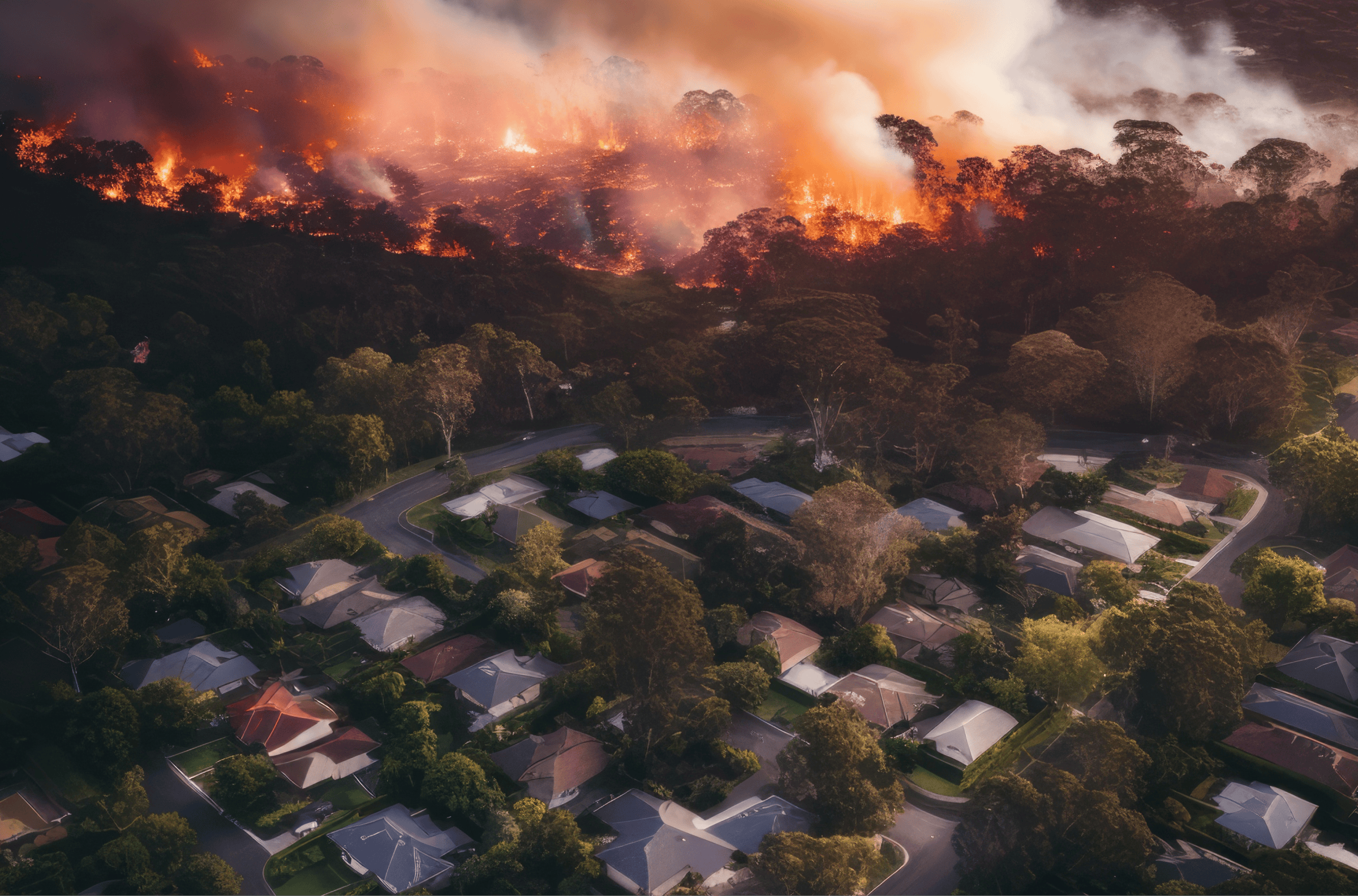
Have you noticed more news about wildfires and hazy skies around the world? 🌍
From Canada to parts of the United States, hundreds of wildfires have recently sent thick smoke across vast regions, affecting air quality and daily life far from the flames. 🌫️
So, what’s behind these increasingly severe wildfire seasons? 🤔
Wildfires are a natural part of many ecosystems, but several factors are making them more frequent and severe. Extreme heat dries out forests and vegetation, creating conditions in which fires can ignite and spread more easily. Longer periods of drought leave landscapes with less moisture, allowing wildfires to spread faster and making them harder to contain.
But these are not the only factors.
Climate change is raising baseline temperatures worldwide, making heat waves and dry conditions more likely in many regions. As a result, wildfire seasons are becoming longer, and fires are becoming more destructive.
The effects extend far beyond the flames.
🌲 Ecosystem damage — Forests and wildlife habitats can take decades—or even centuries—to recover from a major wildfire.
🌫️ Poor air quality — Smoke contains tiny particles that can travel long distances, affecting millions of people far from the fires themselves.
♻️ A climate feedback loop — Large wildfires release significant amounts of stored carbon into the atmosphere. This can further contribute to climate change and increase the risk of future wildfires.
As temperatures continue to rise, scientists expect extreme heat and dangerous wildfire conditions to become more common, making their environmental impact an increasingly urgent global concern.
💬 We want to hear from you
Extreme weather events are becoming a growing concern around the world.
Which environmental change worries you the most?
Share your thoughts and experiences in the comments!